Let's be honest: the French press is the most misunderstood brewer in most people's kitchens. It's the device everyone owns, everyone uses, and almost nobody uses well. The result is a cup that's muddy, bitter, and — if we're being really honest — the reason a lot of people think they "don't like French press coffee." But here's the thing: it's not the brewer's fault. The French press is one of the most capable, forgiving brewing devices ever made. You just have to stop making the same five mistakes everyone makes.
This is a reset. We're going to walk through the errors that ruin French press coffee, one by one, and give you a checklist to fix them. By the end, you'll be producing cups that are clean, sweet, and full-bodied — the way immersion brewing is supposed to taste.
Mistake #1: Your Grind Is Too Fine
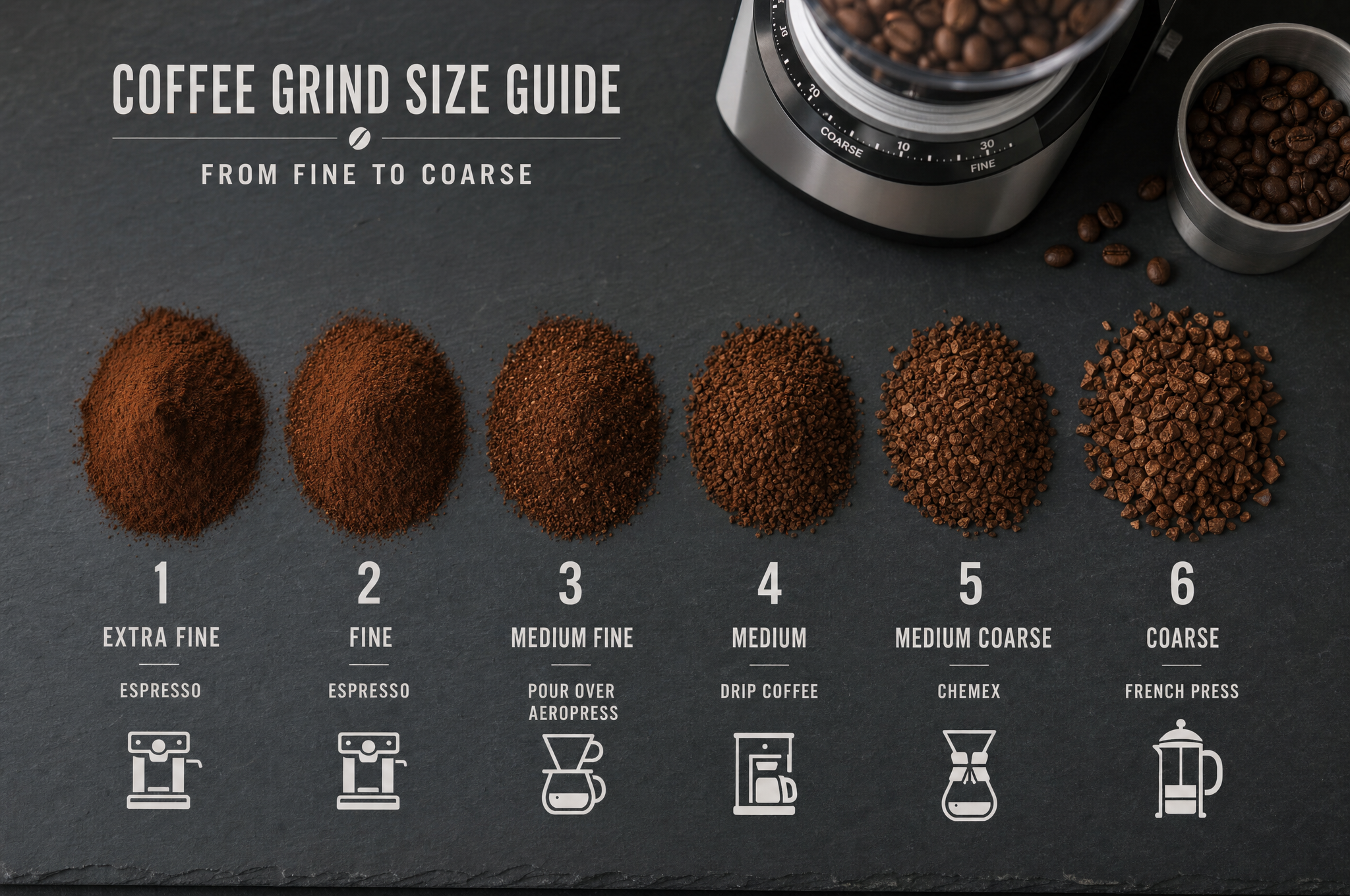
This is the big one. Most people grind their French press coffee at a medium setting — the same setting they'd use for a drip machine. That's way too fine for a four-minute immersion brew, and it's the single biggest reason French press coffee tastes bitter and muddy.
The French press needs a coarse grind — think cracked black pepper, not table salt. A coarse grind slows extraction, giving you the rich, sweet compounds without the bitter ones that come from over-extracting fine particles. It also means fewer fine particles slip through the mesh filter, giving you a cleaner cup.
If your grinder can't produce a consistent coarse grind, you have a grinder problem, not a French press problem. See our visual guide to grind size for reference photos and the full spectrum.
Mistake #2: You're Using Water That's Too Hot
"Just off boil" is the most repeated — and most wrong — piece of coffee advice. Water at 100°C (212°F) extracts bitter compounds aggressively, especially in an immersion brew where the water sits in contact with the coffee for four full minutes.
For French press, aim for 93-96°C (200-205°F). That's water that's been off the boil for about 30-45 seconds. This is hot enough to extract fully but cool enough to avoid scorching the grounds. Our guide to what water temperature does to your coffee goes deeper on the science here.
Mistake #3: You're Steeping Too Long
Four minutes is the standard French press time, and it works. But many people leave the coffee in the press after plunging, which means it continues to extract (and get bitter) as it sits. The plunge doesn't stop extraction — the coffee is still in contact with the water.
Fix: decant immediately after plunging. Pour the coffee into a separate vessel (a carafe, a thermos, your mug) right away. Don't let it sit in the press.
Mistake #4: You're Not Breaking the Crust
When you pour water onto coffee grounds, a crust of floating grounds forms on the surface. If you just let it sit, this crust insulates the coffee below, creating uneven extraction. The top layer over-extracts while the bottom under-extracts.
Fix: stir gently at the 1-minute mark. Use a spoon to break the crust and submerge the floating grounds. This ensures even contact between water and coffee. It's a small step that makes a big difference.
Mistake #5: You're Plunging Too Aggressively
When it's time to plunge, most people push down hard and fast. This forces fine particles through the mesh, clouding the coffee and adding bitterness. It can also agitate the grounds, releasing more sediment.
Fix: press slowly and gently. The plunger should take 15-20 seconds to reach the bottom. If there's significant resistance, your grind is too fine (see Mistake #1). The plunger isn't a piston — it's a strainer. Treat it gently.
The James Hoffmann Method
World Barista Champion James Hoffmann popularized a French press technique that goes further: break the crust at 1 minute, skim the foam off the surface at 4 minutes, and don't plunge at all — just pour through the mesh. The result is the cleanest French press coffee you'll ever make. It's worth trying.
Your French Press Checklist
Here's everything you need to do, in order, for a reset cup:
- Grind coffee coarse — like cracked pepper (see grind guide)
- Heat water to 93-96°C (let it sit 30-45 seconds off boil)
- Use a 1:15 ratio (e.g., 30g coffee to 450g water)
- Pour water, start timer
- At 1 minute: stir gently to break the crust
- At 4 minutes: skim the foam (optional but recommended)
- Plunge slowly over 15-20 seconds
- Decant immediately — don't let coffee sit in the press
- Let the cup cool for 2-3 minutes before drinking
The Ratio Question
Most French press recipes call for a ratio between 1:12 and 1:17 (coffee to water by weight). We recommend starting at 1:15 — that's 30g of coffee for a standard 450ml press, or 50g for a 750ml press. This produces a full-bodied cup without being too strong. Adjust from there: if it's too strong, use more water (higher ratio); if it's too weak, use more coffee (lower ratio).
And yes, you should weigh your coffee. Volume measurements are unreliable because coffee density varies by roast level, origin, and grind. A scale that reads to 0.1g is one of the best investments you can make in your coffee setup.
What Good French Press Coffee Should Taste Like
When you get it right, French press coffee should be full-bodied, sweet, and clean — not bitter, not muddy, not astringent. It should have a richness that pour-over can't match (because the metal mesh lets oils through that paper filters catch), but without the sediment-heavy bitterness that ruins most cups.
If your cup tastes bitter even after the reset, your beans might be the problem. Dark roasts extract more bitterness, and stale coffee tastes flat and harsh no matter how you brew it. Check our guide to storing coffee beans for freshness rules, and consider trying a medium or light roast.
The French Press Advantage
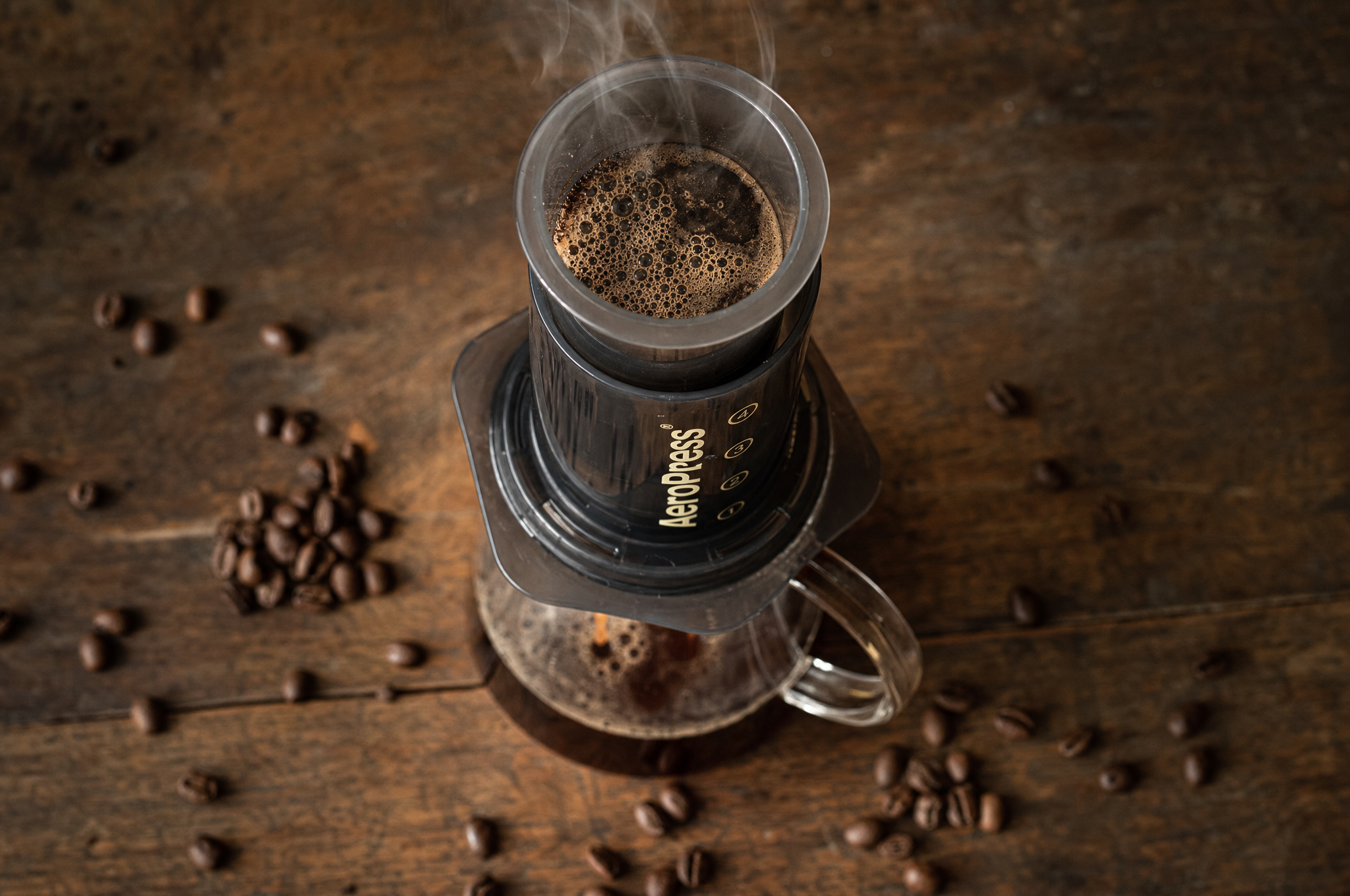
Once you've reset your technique, you'll understand why the French press has endured for over a century. It requires no electricity, no paper filters, and no special skills beyond patience. It's one of the most reliable brewers for camping and travel (though an AeroPress is even more portable). And it produces a cup with a body and mouthfeel that no paper-filtered method can match.
The French press isn't broken. Your technique was. Now go make a better cup.