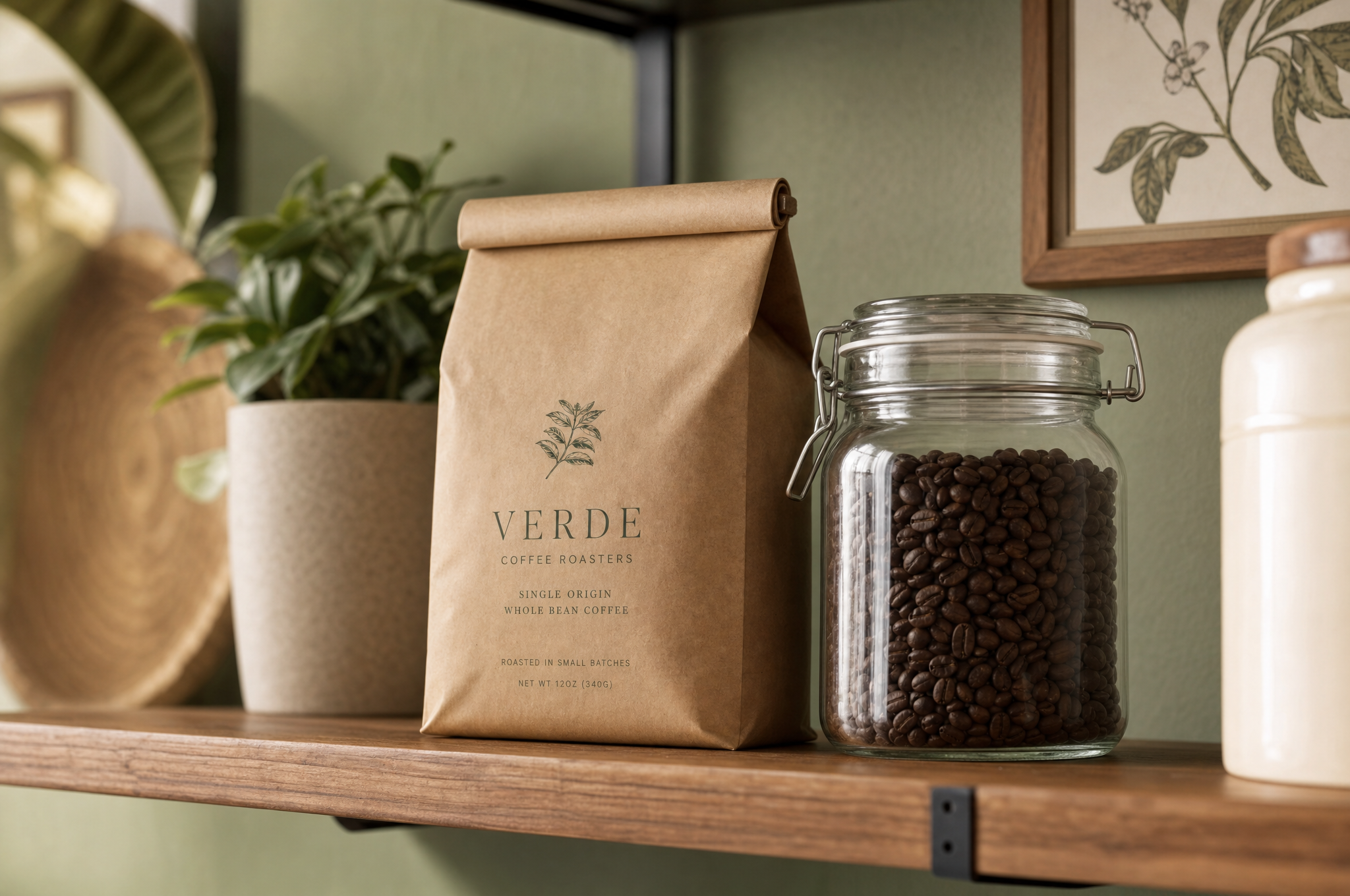
Pick up a bag of specialty coffee and you will see a lot of information: country, region, farm name, altitude, processing method, variety, roast date, tasting notes. To the uninitiated, it looks like a foreign language. To the informed buyer, it is a cheat sheet that tells you exactly what the coffee will taste like before you open the bag. This guide will teach you to read it.
The Essentials Checklist
Here is what matters on a coffee bag label, in order of importance:
- Roast date (the single most important indicator of freshness)
- Origin (country and region)
- Processing method (washed, natural, honey)
- Altitude
- Variety
- Tasting notes
- Roast level
Roast Date: The Freshness Clock
The roast date tells you when the beans were roasted. Coffee is best 5-10 days after roasting (this allows CO2 to degas) and declines steadily after that. If there is no roast date, walk away: the coffee is almost certainly stale. If the date is more than 4 weeks past, the coffee is past its prime.
For storage tips once you have your beans, see our guide to storing coffee beans.
Origin: Where the Coffee Comes From
The origin tells you about the coffee's terroir. Broadly:
- Ethiopia: Floral, citrus, tea-like. See our Yirgacheffe guide for the full profile.
- Colombia: Balanced, sweet, caramel and chocolate.
- Kenya: Bold, bright, blackcurrant, wine-like.
- Brazil: Low acidity, nutty, chocolate, heavy body.
- Sumatra/Indonesia: Earthy, full-bodied, low acid.
- Guatemala: Cocoa, spice, complex.
Visit our origins page for more detailed profiles of each region.
Altitude: The Density Signal
Altitude is listed in meters above sea level. Higher altitude means cooler nights, slower cherry maturation, and denser beans with more complex sugars. As a rule of thumb:
- Below 1,000m: Lower acidity, softer, less complex. (Brazil, some Vietnamese coffee)
- 1,000-1,500m: Balanced, medium acidity. (Many Central American coffees)
- 1,500-2,000m: Bright, complex, high acidity. (Ethiopia, Kenya, Colombia)
- Above 2,000m: Exceptional, rare, often expensive. (Some Ethiopian and Kenyan lots)
Higher is not always better (some low-altitude coffees are delicious), but it is a reliable signal of complexity.
Processing Method: The Flavor Shaper
Processing refers to how the fruit is removed from the bean after harvesting. This is one of the most important factors in flavor, and it is worth understanding:
Washed (Wet) Process
The fruit is fully removed before drying. The beans are depulped, fermented to remove mucilage, washed clean, then dried. Result: clean, bright, acidic. The coffee's own character is front and center. This is the standard for Ethiopian Yirgacheffe and most Colombian coffees.
Natural (Dry) Process
The whole cherry is dried intact, with the fruit still on the bean. After drying, the dried fruit is mechanically removed. Result: fruity, fermented, full-bodied, sometimes wine-like. Natural process can produce stunning strawberry and blueberry notes, but can also taste inconsistent or fermented if done poorly. Common in Ethiopia (natural Yirgacheffes) and Brazil.
Honey (Pulped Natural) Process
A middle ground: the skin is removed (like washed) but some or all of the mucilage is left on during drying. Result: sweeter than washed, cleaner than natural, with a syrupy body. Common in Costa Rica, where "honey" processing is a specialty. The name comes from the sticky, honey-like mucilage, not from actual honey.
Variety: The Coffee's DNA
Coffee variety is like grape variety in wine. The most common you will see:
- Bourbon: Sweet, complex, classic specialty coffee.
- Typica: The original arabica variety. Clean, balanced.
- Caturra: A Bourbon mutation. Bright, acidic.
- Geisha/Gesha: Legendary, expensive, jasmine and bergamot. Originally from Ethiopia, now grown in Panama.
- Heirloom: The collective name for Ethiopia's thousands of wild varieties.
Tasting Notes: A Guide, Not a Guarantee
Tasting notes are the roaster's description of what the coffee tastes like. They are subjective and should be treated as a guide, not a guarantee. If a bag says "blueberry, dark chocolate, brown sugar," expect those flavors, but do not be surprised if you taste something different. Your palate, your brewing method, and your water all affect what you taste.
Roast Level: Light, Medium, Dark
Roast level affects flavor dramatically. Light roasts preserve origin character and are brighter, more acidic. Medium roasts are balanced and sweet. Dark roasts are bold, bitter, and smoky, with origin character largely replaced by roast character. For single origins, light to medium roasts are standard. For espresso, medium to dark is common.
Putting It All Together
Here is how to read a label in practice. Say you see a bag that reads: "Ethiopia, Yirgacheffe, Konga Washing Station, 1,950m, Washed, Heirloom, Roasted 2/15."
From this, you know: it is a high-altitude Ethiopian (expect bright, floral, citrus flavors), washed process (clean cup, origin character forward), from a specific washing station (traceable, likely quality-focused), heirloom varieties (complex, layered), and roasted recently. You can expect a delicate, aromatic, tea-like cup with jasmine and citrus notes. Brew it as pour-over (see our V60 guide) or AeroPress to highlight its clarity.
The Next Step
Reading a coffee bag label is a skill that develops with practice. The more coffees you try, the better you will understand how origin, altitude, processing, and variety translate to flavor. Start paying attention to what is on the bag, and you will start choosing coffee you actually want to drink, rather than grabbing whatever is on the shelf.