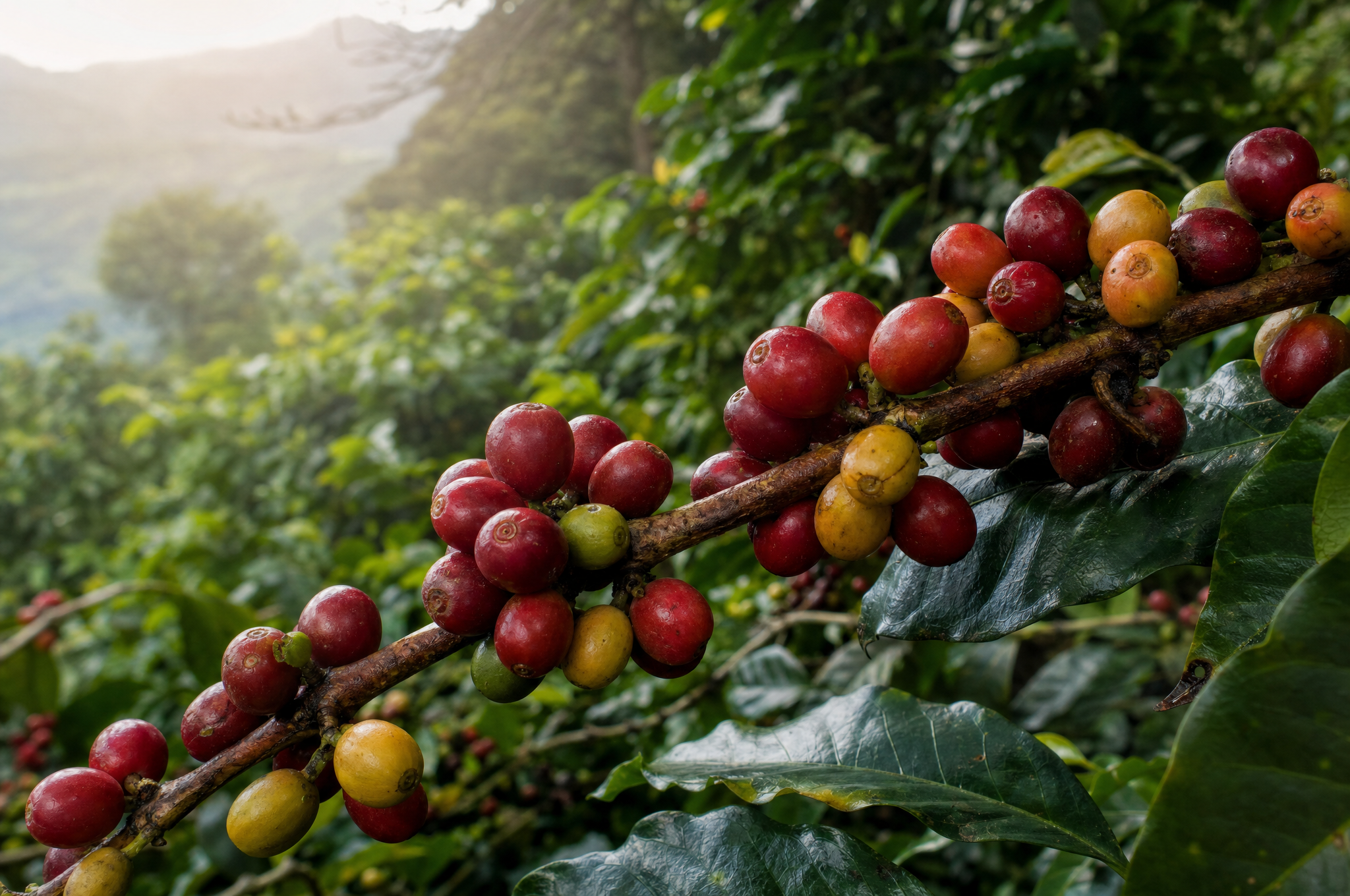
There is a kind of coffee snobbery that treats single origin as inherently superior and blends as somehow lesser. It is a belief you hear in specialty coffee shops, read in tasting notes, and encounter in online forums. And it is wrong. Not because single origins are bad (they are often extraordinary) but because the comparison itself is flawed. Single origin and blend are not competitors. They are different tools for different jobs, and a good roaster understands both.
I have roasted coffee professionally for over a decade. I have roasted single origins that sold for $50 a pound and blends that became the backbone of a cafe's espresso program. And I can tell you: the best coffee is not always a single origin. Sometimes it is. Sometimes it is a blend. The question is not which is better, but which is right for what you are trying to do.
What Single Origin Means
A single origin coffee comes from one place. That could be a single farm, a cooperative, or a specific region within a country. The idea is that the coffee expresses the character of its origin: the soil, climate, altitude, and processing that define it. A Yirgacheffe should taste like Yirgacheffe. A Colombian from Huila should taste like Huila.
The advantage of single origin is clarity. When you drink a single origin coffee, you are tasting a specific place at a specific time. The flavors are unmasked by other coffees. This is why single origins are the standard for pour-over brewing: the method highlights the coffee's individual character, and a blend would muddy that.
What a Blend Does
A blend is two or more coffees combined to create something none of the components could achieve alone. The goal is balance, consistency, and complexity. A good blend is not random: each component plays a role. One coffee might provide body and chocolate notes. Another might contribute brightness and acidity. A third might add sweetness and aroma. Together, they create a cup that is more complete than any single component.
Blends are the foundation of espresso. Espresso amplifies a coffee's characteristics through pressure and concentration, which means a single origin that is too bright or too one-dimensional can taste aggressive as espresso. A blend allows the roaster to build a coffee that works as espresso: balanced, sweet, and complex, with enough body to carry milk.
The False Dichotomy
The single-origin-versus-blend debate assumes they are competing approaches. They are not. They serve different purposes:
| Attribute | Single Origin | Blend |
|---|---|---|
| Goal | Express origin character | Create balance and complexity |
| Best for | Pour-over, AeroPress | Espresso, milk drinks |
| Consistency | Varies by harvest | More consistent year-round |
| Price | Often higher | Often more affordable |
| Complexity | Focused, specific | Layered, balanced |
| Forgiveness | Less forgiving | More forgiving |
When to Choose Single Origin
Choose single origin when you want to taste what a specific place produces. This is the coffee for mornings when you are paying attention, when you want to sit with the cup and notice the florals, the acidity, the finish. Single origins are best brewed as pour-over or AeroPress, where the coffee's character is front and center.
Single origins are also educational. Drinking a Yirgacheffe, then a Colombian, then a Sumatran teaches you what terroir means in coffee. It builds your palate and your understanding of why origin matters.
When to Choose a Blend
Choose a blend when you want consistency, balance, or a coffee that works well with milk. Blends shine as espresso, in cappuccinos, and in situations where you want a reliable cup without thinking too hard about it. A good house blend tastes the same in January as in July, even as the individual components change with the harvest cycle.
Blends are also more forgiving to brew. If your grind or water temperature is slightly off, a blend's balance will carry the cup. A single origin might fall apart.
The Roaster's Perspective
From behind the roaster, the difference is about intention. When I roast a single origin, my job is to get out of the way. I roast light enough to let the coffee speak, but developed enough to avoid grassy, under-developed flavors. The coffee is the star.
When I build a blend, my job is architecture. I cup each component, identify what it brings, and combine them in proportions that create something new. The blend has its own identity, separate from its parts. And I roast each component separately, to its own optimal level, before blending. Roasting a blend of green coffee together is almost always a compromise.
A great single origin is like a soloist: pure, focused, and singular. A great blend is like an orchestra: complex, layered, and balanced. Neither is better. They are different kinds of beauty.
The Bottom Line
If someone tells you single origins are always better, they are selling you ideology, not coffee. The best cup depends on what you want. For a quiet morning with a pour-over and an Ethiopian single origin, clarity is the goal. For an afternoon latte, a blend's balance is what you need. Both are craft. Both are valid. And a good coffee program offers both, without pretending one is superior.
Want to explore single origins? Visit our origins page for profiles of the world's great coffee regions. Want to understand what's in your bag? Read our label decoder.